
4D Number Plates Not Being Recognised By ANPR Cameras?
If you have recently searched why are 4D number plates not being recognised, you are not alone. Across the UK, more motorists are reporting concerns about ANPR not reading 4D number plates – particularly those fitted with raised black acrylic characters.
The conversation has grown quickly. Some drivers have questioned whether 4D number plates are becoming “invisible” to cameras. Others are worried about compliance, fines, or potential MOT implications. However, the truth is far more technical than most realise.
Not all 4D number plates are the problem.
In fact, correctly manufactured 4D number plates that follow UK regulations and use the proper materials perform exactly as intended under Automatic Number Plate Recognition systems. The issue lies in something far more specific – the type of black acrylic being used to manufacture the raised 4D characters.
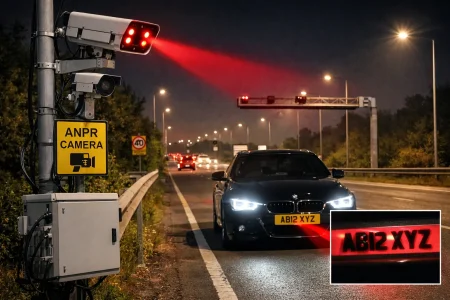
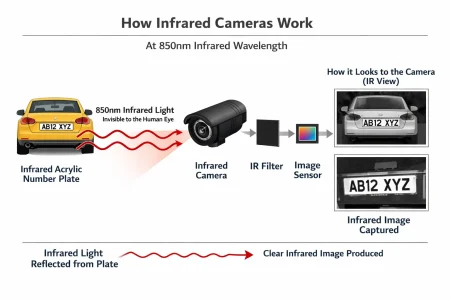
ANPR cameras do not rely on visible light in the same way the human eye does. Instead, they operate using infrared (IR) light, typically around the 850 nanometre wavelength. This wavelength is invisible to us, but not to cameras. When your vehicle passes an ANPR system, infrared light is projected towards your number plate and reflected back to the camera sensor, allowing the registration mark to be read clearly.
This is where material science becomes critical.
There are multiple variants of black acrylic available within the supply chain. While they may look identical to the human eye, they behave very differently under infrared light. Some types of acrylic are manufactured to allow infrared wavelengths to pass through them. Others are designed to block infrared transmission entirely.
If infrared light passes through the 4D characters rather than being blocked and reflected correctly, ANPR systems may struggle to distinguish the contrast between the background and the characters. The result? 4D number plates not being recognised as reliably as they should be.
The problem is not the 4D design itself. Nor is it the concept of raised acrylic lettering, or is the owner of the vehicle having tampered with their registration plates. The real issue stems from suppliers providing infrared-friendly acrylic – often without fully informing manufacturers of its infrared properties. This has created confusion within the industry and uncertainty among motorists.
At JDM Plates, we understand both the legislative and technical requirements involved in manufacturing ANPR safe 4D number plates. As a DVLA-registered supplier, our approach goes beyond appearance. Material selection, compliance with BS AU 145e standards, and infrared performance are all part of the manufacturing process.
So if you are wondering why 4D number plates are not being recognised, the answer is not speculation or trend-based panic. It is science – specifically, how infrared light interacts with some acrylic materials.
How ANPR Cameras Actually Read Your Number Plate
To properly answer why are 4D number plates not being recognised, you first need to understand how ANPR systems operate in the UK.
Automatic Number Plate Recognition (ANPR) cameras are used extensively across the country by police forces, local authorities and private operators. ANPR systems in the UK operate under nationally defined performance standards to ensure accurate vehicle registration mark capture across enforcement networks. The National ANPR Service processes over 70 million vehicle reads every single day across police networks. With that scale of monitoring in operation, number plates must perform consistently under infrared systems to ensure accurate recognition. Even small material inconsistencies can become noticeable when detection technology operates at this volume.
According to the Home Office, millions of vehicle reads are processed daily through the national ANPR network, supporting law enforcement, traffic management and security operations. These systems are designed to work in all lighting conditions – daylight, darkness, rain and glare – which is why they do not rely on visible light alone.
Instead, ANPR cameras operate primarily using infrared (IR) illumination.
Most UK ANPR systems emit infrared light at a wavelength of approximately 850 nanometres (850nm). This wavelength sits just beyond the visible spectrum, meaning it cannot be seen by the human eye. However, camera sensors are highly sensitive to this range. When an ANPR camera captures a vehicle, it projects infrared light towards the number plate. The reflective background of a compliant UK registration plate is engineered to bounce that infrared light directly back to the camera.
This reflection creates strong contrast between:
- The retroreflective plate background
- The opaque black registration characters
That contrast is what allows ANPR software to clearly distinguish letters and numbers with high accuracy.
Under UK regulations, number plates must be made from reflective material, display the correct font and spacing, and comply with the British Standard BS AU 145e. Full requirements are outlined within the official rules for number plates published by GOV.UK. The reflective sheeting used on the yellow rear and white front plates is specifically designed to reflect infrared light effectively. This ensures consistent readability under ANPR systems.
Where complications arise with some 4D number plates is not the reflective backing – but the behaviour of the raised acrylic characters under infrared illumination.
To the human eye, black acrylic appears solid and opaque. However, under infrared wavelengths, certain types of black acrylic can behave very differently. If the acrylic used for the 4D characters allows infrared light to pass through rather than blocking it, the camera may detect reduced contrast between the characters and the reflective plate surface.
In simple terms:
If infrared light penetrates the character instead of being stopped by it, the system may struggle to separate the letter from the background.
This is why some motorists are experiencing ANPR cameras not reading 4D number plates, despite the plates looking perfectly clear in normal lighting conditions.
It is also why not all 4D plates are affected. The issue depends entirely on the infrared transmission properties of the acrylic material used during manufacture and where the manufacturer sources their acrylic from.
High-quality, infrared-blocking acrylic ensures that the character remains opaque under IR light, maintaining strong contrast and allowing the ANPR system to capture the registration mark reliably. When the correct material is used, 4D number plates perform exactly as intended within the UK’s enforcement infrastructure whilst complying with BSAU145e.
Understanding this distinction is crucial. The raised design itself is not the cause. The problem lies in material selection – specifically whether the acrylic blocks or transmits infrared wavelengths.
The Real Reason Some 4D Plates Are Not Being Recognised
Now that we have explained how ANPR cameras use infrared light to read registration plates, we can address the central issue behind the question: why are 4D number plates not being recognised?
The answer lies in the scientific properties of the acrylic used to manufacture the raised 4D characters.
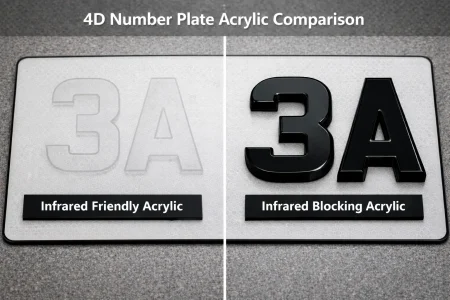
Within the acrylic supply market – as previously touched upon – there are typically two scientifically distinct variants:
- Infrared friendly acrylic
- Infrared blocking acrylic
The difference between these two materials is not cosmetic. It is functional.
Infrared Friendly Acrylic Explained
Infrared friendly acrylic is designed to allow infrared light to pass through it. This type of material is commonly used in applications such as:
- Television cabinets
- Remote control sensor covers
- Electronic display panels
In these environments, the goal is to conceal components from visible view while still allowing infrared signals to transmit through the surface. When you point a remote control at a television, the infrared signal passes through the panel and reaches the receiver behind it. That is intentional design.
However, when this same material is used to manufacture 4D number plate characters, it creates an unintended consequence.
If an ANPR camera projects infrared light towards a plate fitted with infrared friendly acrylic characters, the light can partially pass through the black lettering. Instead of creating a strong, opaque contrast against the reflective background, the system may detect reduced separation between character and plate surface.
The result can be:
- ANPR not reading 4D number plates consistently
- Reduced clarity under certain camera angles
- Reports of 4D number plates appearing invisible to cameras
The plate may look perfectly compliant under normal daylight, yet behave differently under infrared analysis and this is where confusion has entered the UK number plate industry and more recently, with the Labour Government blaming the general public for tampering with their 4D number plates…
Many manufacturers source acrylic from suppliers without being fully informed about its infrared transmission properties. Because the material appears visually identical to infrared blocking variants, it can easily be purchased and used without awareness of how it performs under ANPR systems.
This is not necessarily intentional misuse. It is often a knowledge gap within the supply chain.
Infrared Blocking Acrylic Explained
Infrared blocking acrylic behaves very differently; rather than allowing infrared wavelengths to pass through, this material prevents IR transmission. Under ANPR illumination, the raised characters remain opaque, stopping infrared light and maintaining clear contrast between the letter and the reflective plate background.
This is the behaviour required for ANPR compliant 4D number plates.
When infrared blocking acrylic is used:
- The character remains solid under IR light
- The reflective backing continues to return strong signals
- ANPR systems can reliably detect and process the registration mark
The raised 4D design itself does not interfere with recognition when manufactured correctly. The deciding factor is whether the character material blocks infrared light effectively.
Why This Has Caused Industry Disruption
The rapid growth in popularity of 4D number plates across the UK since 2020 has increased demand for acrylic materials. As more suppliers entered the market, material specifications were not always clearly communicated.
Some manufacturers unknowingly adopted infrared friendly acrylic, resulting in performance inconsistencies under ANPR systems. This led to online discussions, customer concerns and broader questions about whether 4D plates were inherently problematic.
They are not.
The issue is material selection.
At JDM Plates, we take a technical approach to manufacturing. As a DVLA-registered supplier, we do not rely solely on appearance. We assess material suitability, compliance with BS AU 145e standards, and infrared behaviour before production.
If you are asking why 4D number plates are not being recognised, the underlying cause is almost always related to infrared transmission properties of the acrylic used – not the 4D style itself.
Why This Has Shaken the UK Number Plate Industry
The discovery that some 4D number plates are not being recognised by ANPR systems has created significant discussion across the UK automotive sector with the DVLA stepping in. However, the reaction has largely been driven by misunderstanding rather than fact.
4D number plates have grown rapidly in popularity over the past few years. Their sharp, raised finish offers a modern alternative to traditional flat printed characters, and many motorists prefer the cleaner, more premium appearance. As demand increased, more manufacturers entered the market to supply 4D plates, including smaller businesses sourcing acrylic from a range of suppliers.
This is where the issue began.
Because infrared friendly and infrared blocking acrylic physically look identical under normal lighting conditions, some manufacturers unknowingly purchased the wrong specification. Suppliers often categorise acrylic by colour, thickness and finish – not always by infrared transmission properties. Without specific knowledge of how ANPR cameras operate at 850nm, it would be easy to assume all black acrylic behaves the same.
It does not.
As ANPR enforcement continues to expand across the UK, plate recognition reliability is under greater scrutiny than ever before. Police forces, toll operators, congestion charging systems and local authorities rely heavily on ANPR infrastructure as it processes millions of reads per day, supporting crime prevention and traffic enforcement efforts.
With that scale of usage, even minor inconsistencies in plate recognition quickly attract attention.
Reports of ANPR cameras not reading 4D number plates began surfacing online, particularly in automotive forums and social media groups. In many cases, the plates appeared visually compliant. Spacing, font and reflectivity looked correct. Yet some users experienced irregular detection under certain camera systems and occasionally being stopped and fined for ‘illegal number plates’.
This led to three common assumptions:
- 4D plates must be illegal.
- Raised characters interfere with camera systems.
- All 4D plates are risky to use.
None of these assumptions are accurate.
There is nothing inherently non-compliant about raised 4D characters when manufactured correctly and in line with UK regulations. The disruption came from material choice – specifically infrared transmission properties that were not widely discussed in the consumer market.
For responsible manufacturers, this has prompted a reassessment of sourcing standards. Professional number plate suppliers now recognise that infrared behaviour must be part of the quality control process, not just appearance and durability.
At JDM Plates, we identified this distinction early. As a DVLA-registered number plate supplier specialising in legally compliant, smallest legal UK number plates, our manufacturing process goes beyond visual aesthetics. We understand that compliance is not only about spacing and font. It also includes ensuring the plate performs correctly within modern enforcement infrastructure.
The increased awareness around infrared acrylic will effectively raise the standard across the industry. Customers are asking better questions. Manufacturers are reviewing their materials more carefully and suppliers are becoming more transparent about the technical properties of their acrylic sheets but without these initial ANPR teething problems, infrared friendly acrylic would have never been known about in the wider number plate industry.
For motorists, the key takeaway is reassurance.
If your 4D number plates are manufactured using infrared blocking acrylic and comply with BS AU 145e standards, they should perform reliably under ANPR systems. The issue has never been the 4D design itself – it has been the specification of the material used to create it and it is generally not the motorist tampering with their plates for criminal activity!
How JDM Plates Manufactures ANPR Safe 4D Number Plates
Understanding why some 4D number plates are not being recognised is one thing. Ensuring it never becomes an issue for our customers is another.
At JDM Plates, manufacturing ANPR safe 4D number plates starts long before a character is bonded to a plate. It begins with material selection; partly due to past experience but also because we want to provide quality products.
Correct Infrared Blocking Acrylic Sourcing
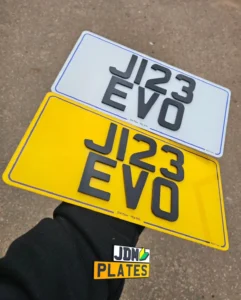
We do not source acrylic based solely on colour, gloss level or thickness. Every material used in our 4D characters is now selected with infrared performance in mind. The black acrylic we use is specified to block infrared transmission rather than allow it to pass through.
This ensures that when an ANPR camera emits infrared light, the raised character remains opaque. The light does not penetrate the lettering and instead, it maintains the clear contrast required between the reflective background and the registration mark.
This single factor is what separates infrared friendly materials from infrared blocking materials – and it is the reason some 4D number plates not being recognised have caused confusion elsewhere in the market.
By choosing the correct acrylic at source, we eliminate that risk.
Compliance With BS AU 145e Standards
All number plates supplied in the UK must comply with BS AU 145e, the current British Standard governing performance and durability. This standard became mandatory for new plates fitted from September 2021, as confirmed in the official British Standard BS AU 145e update. This standard covers:
- Reflectivity
- Impact resistance
- Weather durability
- Material integrity
- And more…
Further technical detail on the construction and marking requirements of BS AU 145e can be found within independent BS AU 145e explanation resources.
While the reflective backing plays a key role in ANPR recognition, the raised characters must not compromise the plate’s ability to function under enforcement systems.
Our 4D number plates are manufactured in accordance with these standards. Spacing, font, margins and layout all follow DVLA regulations. We do not modify character shapes or alter legally defined spacing for aesthetic purposes.
As a DVLA-registered supplier, compliance is not optional – it is built into our production process.
Precision Manufacturing and Bonding
Another overlooked factor in 4D plate performance is bonding accuracy. Raised characters must sit flush and evenly on the reflective surface. Poor adhesion or uneven mounting can create shadowing effects or reflective inconsistencies.
We use controlled bonding methods to ensure consistent placement and durability. This ensures the characters remain secure under weather exposure, road debris and temperature variation.
Durability and infrared performance go hand in hand.
Designed for Modern Enforcement Infrastructure
ANPR is now embedded across the UK’s road network. Police vehicles, motorway gantries, urban monitoring systems, ULEZ zones and private enforcement operators all rely on accurate registration capture.
When motorists ask, “Why are 4D number plates not being recognised?”, the concern often centres around fines, toll recognition or congestion charging systems. Our approach is simple: manufacture plates that function reliably within this infrastructure.
That means:
- Infrared blocking characters
- High-quality reflective backing
- Fully compliant layout
- Tested material performance
We do not rely on assumptions. We understand how ANPR cameras operate and manufacture accordingly.
The Smallest Legal 4D Number Plates in the UK
In addition to technical compliance, JDM Plates specialises in producing the smallest legal number plates available in the UK. This is particularly important for:
- Imported vehicles
- Performance cars
- Motorcycles
- Vehicles with limited mounting space
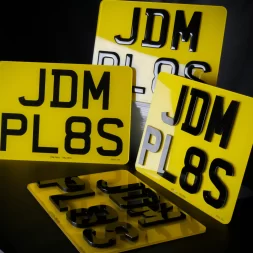

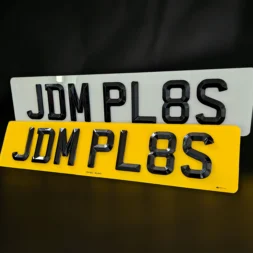


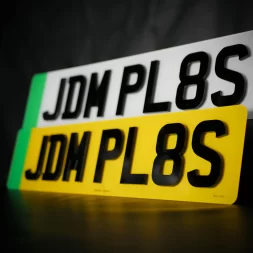


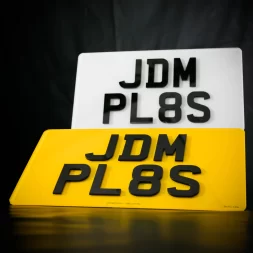

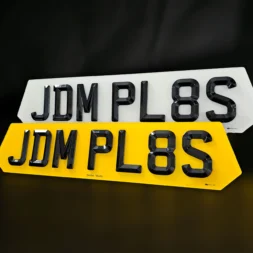

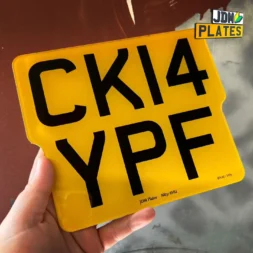
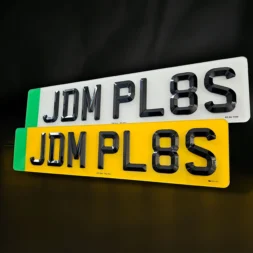
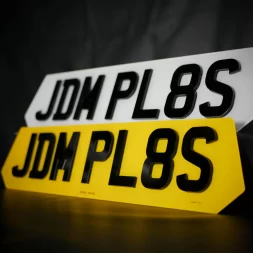
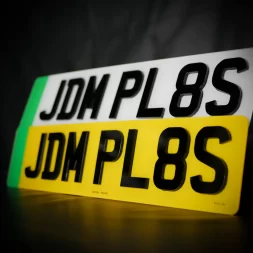
Many motorists choose 4D plates for aesthetics, but legality and recognition remain the priority. By combining correct infrared materials with legally compliant sizing and spacing, we ensure style does not compromise functionality.
If you are concerned about ANPR not reading 4D number plates, the solution is not to avoid 4D entirely. The solution is to choose a manufacturer that understands the science behind the materials.
At JDM Plates, we manufacture 4D number plates that are designed not just to look sharp, but to perform correctly under the systems that monitor UK roads every day.
Frequently Asked Questions
Why are my 4D number plates invisible to ANPR cameras?
If your 4D number plates are not being recognised, the most likely cause is the type of black acrylic used for the raised characters. Infrared friendly acrylic allows infrared light to pass through it, which can reduce contrast under ANPR systems. Plates manufactured with infrared blocking acrylic maintain proper contrast and should be detected correctly.
Are 4D number plates illegal in the UK?
No, 4D number plates are not illegal when manufactured correctly. They must comply with DVLA regulations, use the correct font and spacing, and meet BS AU 145e standards. The raised design itself is not the issue – material choice determines ANPR compatibility.
How can I check if my 4D number plates are ANPR safe?
There is no simple visual test unless you have an infrared camera which operates at approximately 850nM wavelengths as infrared behaviour cannot be seen with the naked eye. The safest approach is to purchase from a DVLA-registered supplier that understands infrared blocking materials and manufactures ANPR safe 4D number plates in line with UK standards.
Does acrylic thickness affect ANPR recognition?
Thickness alone does not determine recognition. The infrared transmission properties of the acrylic are far more significant. Even thick acrylic can allow infrared light to pass through if it is infrared friendly rather than infrared blocking.
Will ANPR cameras work at night with 4D plates?
Yes. ANPR systems are designed to operate in low light and darkness using infrared illumination. When 4D number plates are manufactured correctly with infrared blocking characters and compliant reflective backing, they perform in both daylight and night-time conditions.